
Sciatica: what it is and what it is not, symptoms, and when to seek an evaluation
Sciatica is not a disease in itself: it is a symptom. It is the name for pain that follows the path of the sciatic nerve, from the lower back or buttock down the leg. Knowing the difference between sciatica and other similar pains helps avoid confusing the symptoms and seek the right care in time.
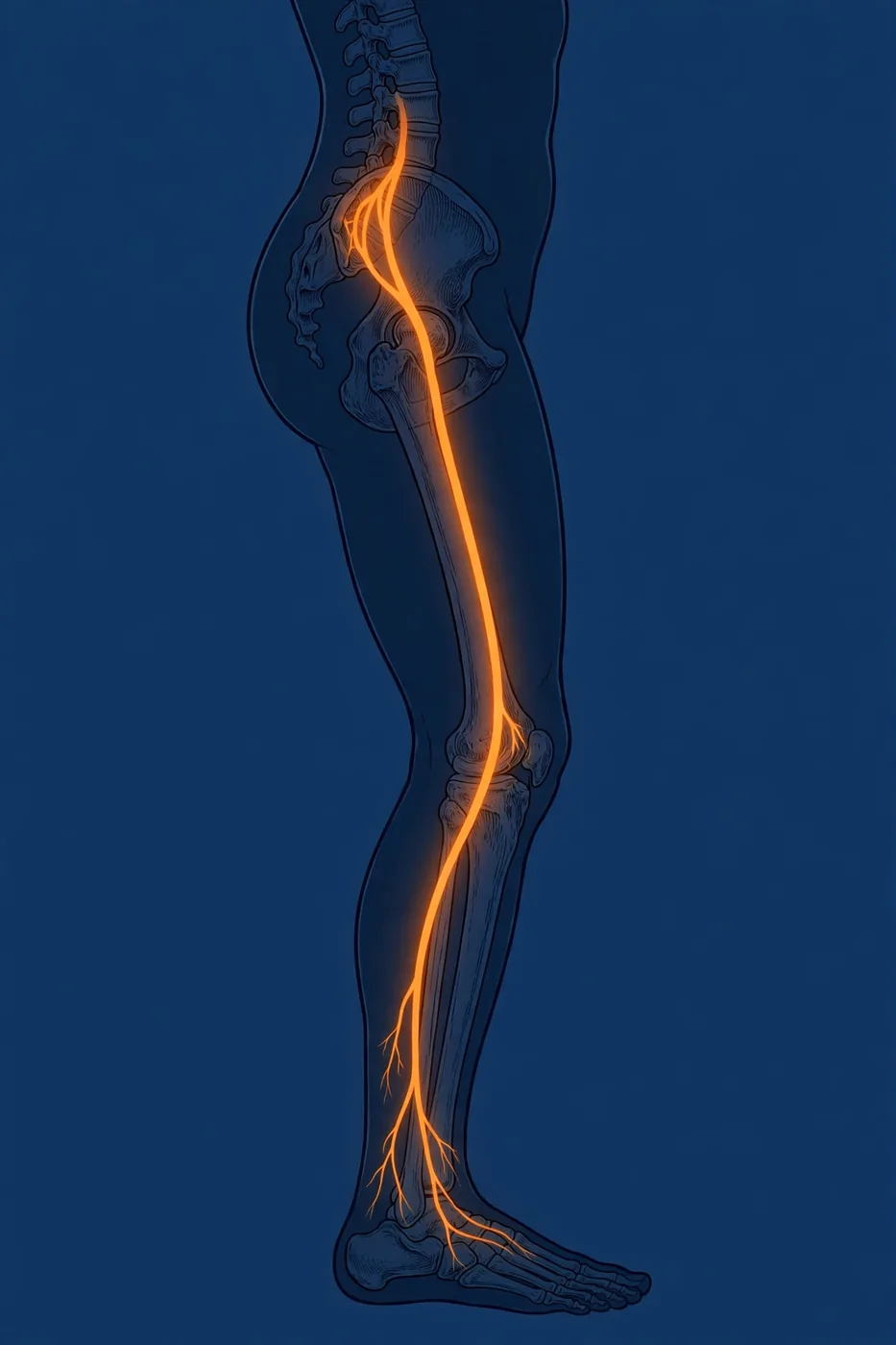
What is sciatica?
Sciatic pain is a common symptom related to compression or irritation of the sciatic nerve, one of the longest nerves in the human body. This nerve originates in the lower spine and extends to the hip, buttocks, and legs.
Sciatica is not a disease in itself, but a set of symptoms related to irritation of the sciatic nerve. It is often associated with lower spine problems such as a herniated disc, spinal stenosis, or degenerative changes.
Common symptoms
- Pain that starts in the lower back and radiates down the leg.
- Tingling or a burning sensation.
- Numbness in the leg or foot.
- A feeling of weakness in the area.
- Difficulty walking or sitting for long periods.
Pain intensity can vary from patient to patient: in some cases it appears intermittently, while in others it may be constant. It can range from mild discomfort to intense pain that limits daily activities.
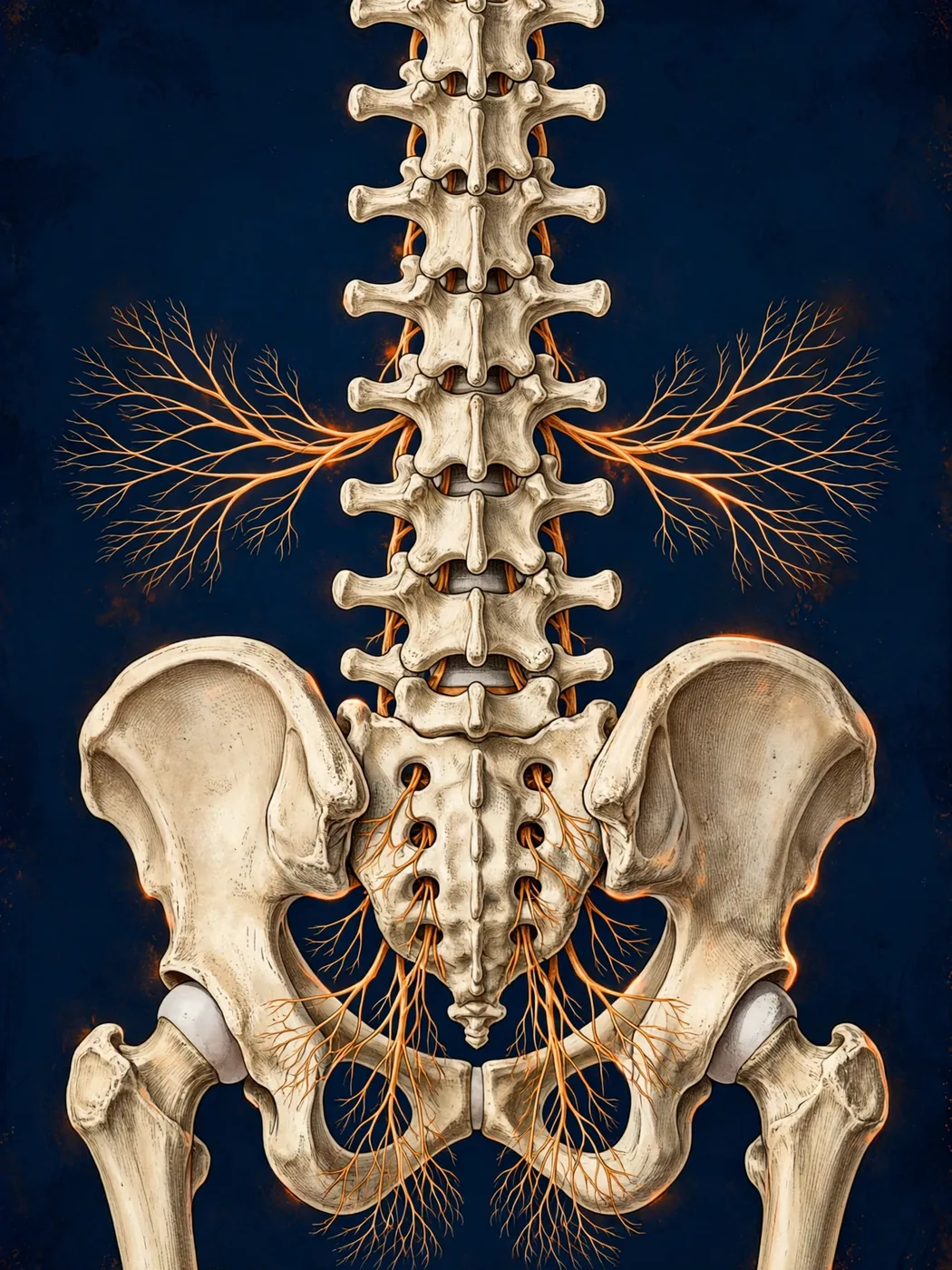
What is not sciatica
Not all back or leg pain is sciatica. Several causes can produce similar discomfort, and only a medical evaluation with the appropriate studies can determine the cause. Knowing the difference helps avoid confusing the symptoms and seek the right care in time.
Initial treatment and imaging
In many patients, initial treatment includes medication, physical therapy, therapeutic exercises, and changes in daily activity. These measures can help reduce inflammation and relieve pressure on the nerve.
When symptoms persist or there is significant nerve compression, imaging studies such as magnetic resonance imaging (MRI) may be needed to evaluate the spine in greater detail. The goal of treatment is to relieve pain, improve nerve function, and help the patient return to their usual activities.
A consultation with a neurosurgery specialist allows the symptoms to be analyzed, previous studies to be reviewed, and the available treatment options to be determined. Each patient requires an individualized approach based on their specific diagnosis.
When to seek an evaluation
Consider an evaluation when:
- Pain persists for weeks despite initial treatment.
- There is progressive weakness or numbness.
- Pain limits work, sleep, or basic activities.
- Symptoms worsen or become progressive.
Frequently asked questions
Is sciatica a disease? No. It is a symptom: a set of discomforts related to compression or irritation of the sciatic nerve.
Is all leg pain sciatica? No. Several causes produce similar discomfort; only a medical evaluation with the appropriate studies can determine the cause.
How is the cause of sciatica determined? Through a specialized medical evaluation that analyzes the symptoms and reviews previous studies; in some cases magnetic resonance imaging (MRI) is needed.
Note: This content is informational and does not replace a medical consultation.